German Street – Roman Catholic Church

Mihail Kogălniceanu
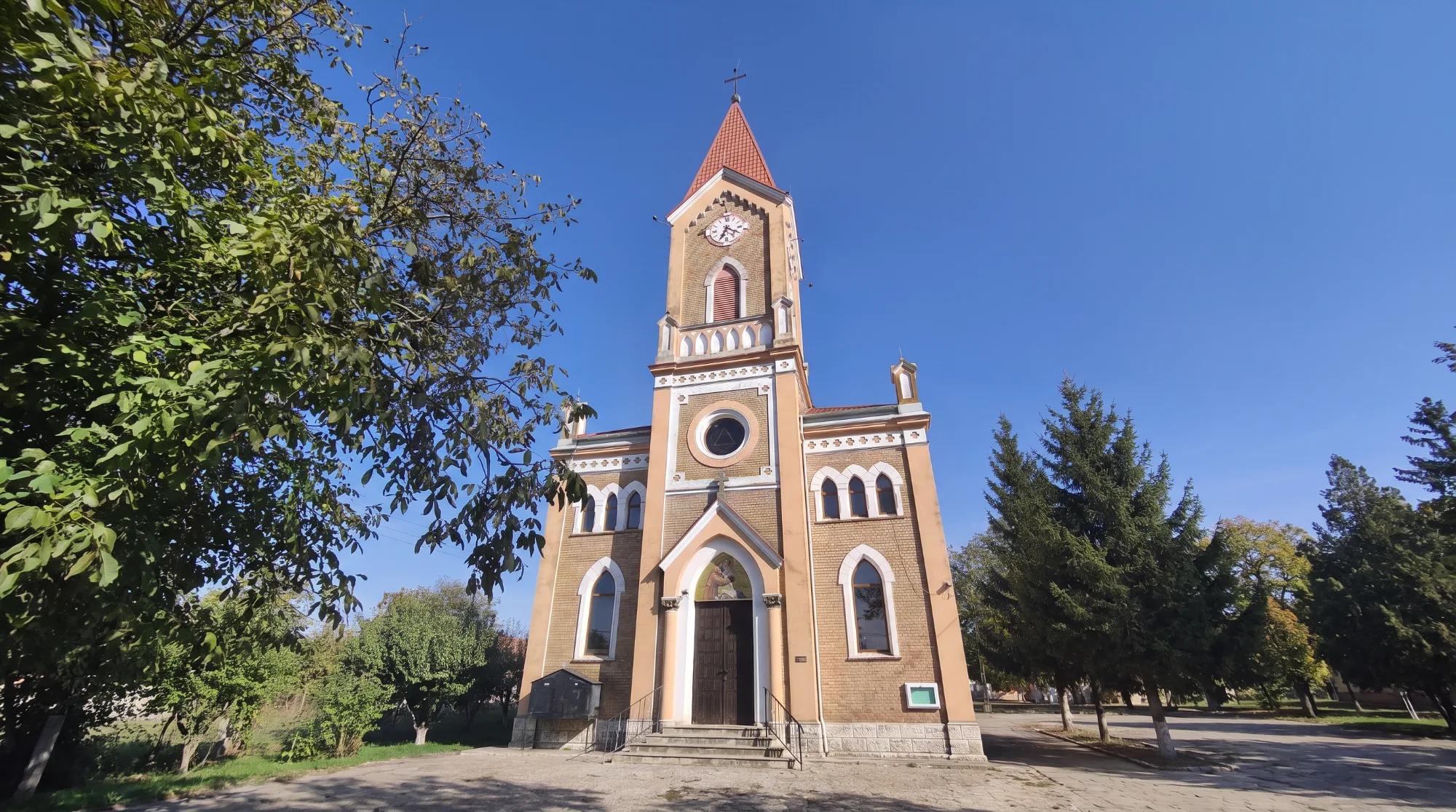
The Roman Catholic Church of St Anthony of Padua, built in 1897–1898 by the German settlers of Mihail Kogălniceanu.
The Roman Catholic Church of St Anthony of Padua, built in 1897–1898 by the German settlers of Mihail Kogălniceanu. · Photo: Via DobroGetica
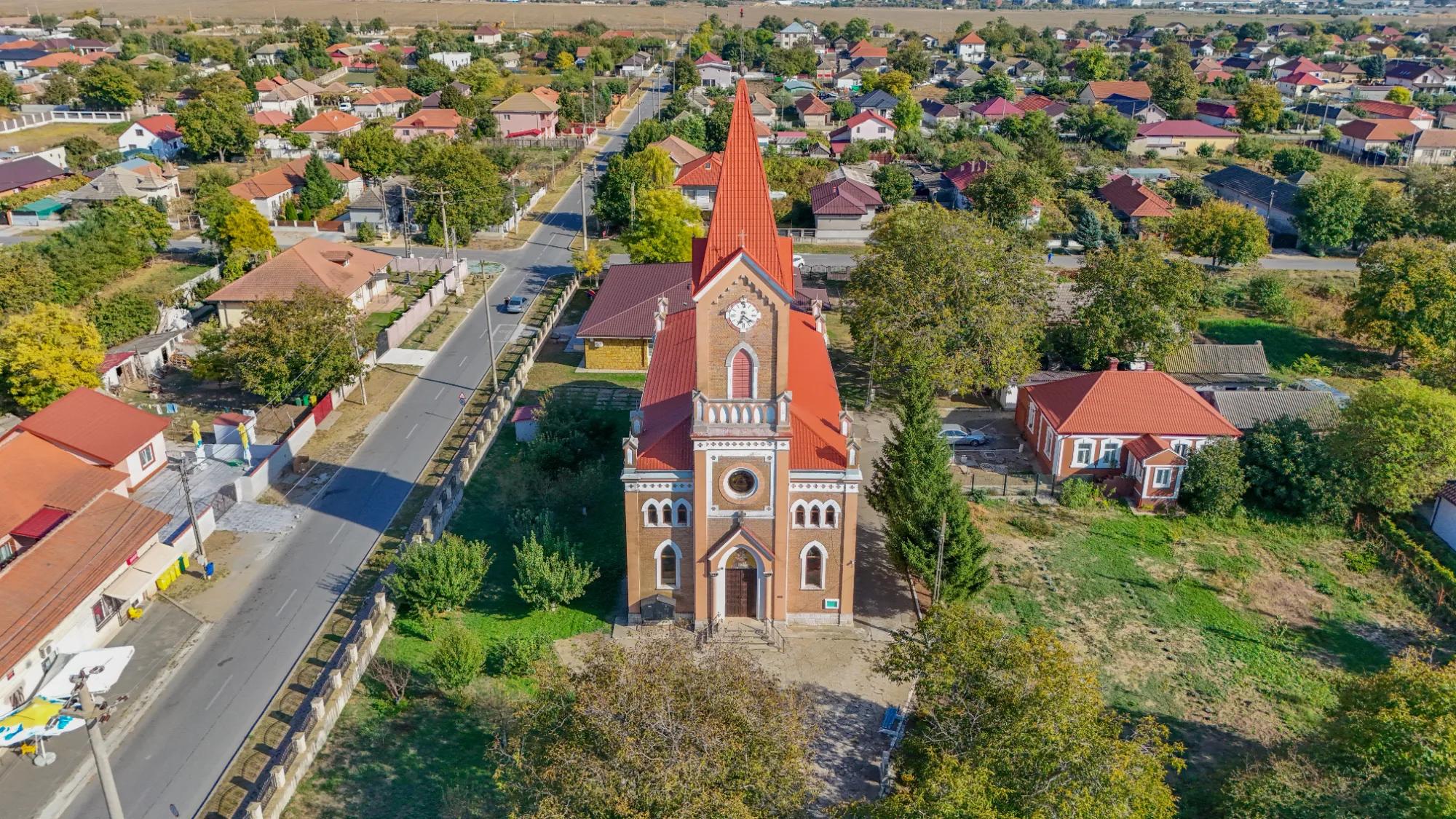
Strada largă cu case lungi, trase spre fundul curților, căreia localnicii îi spun și azi „strada germană”.
Strada largă cu case lungi, trase spre fundul curților, căreia localnicii îi spun și azi „strada germană”. · Photo: Via DobroGetica
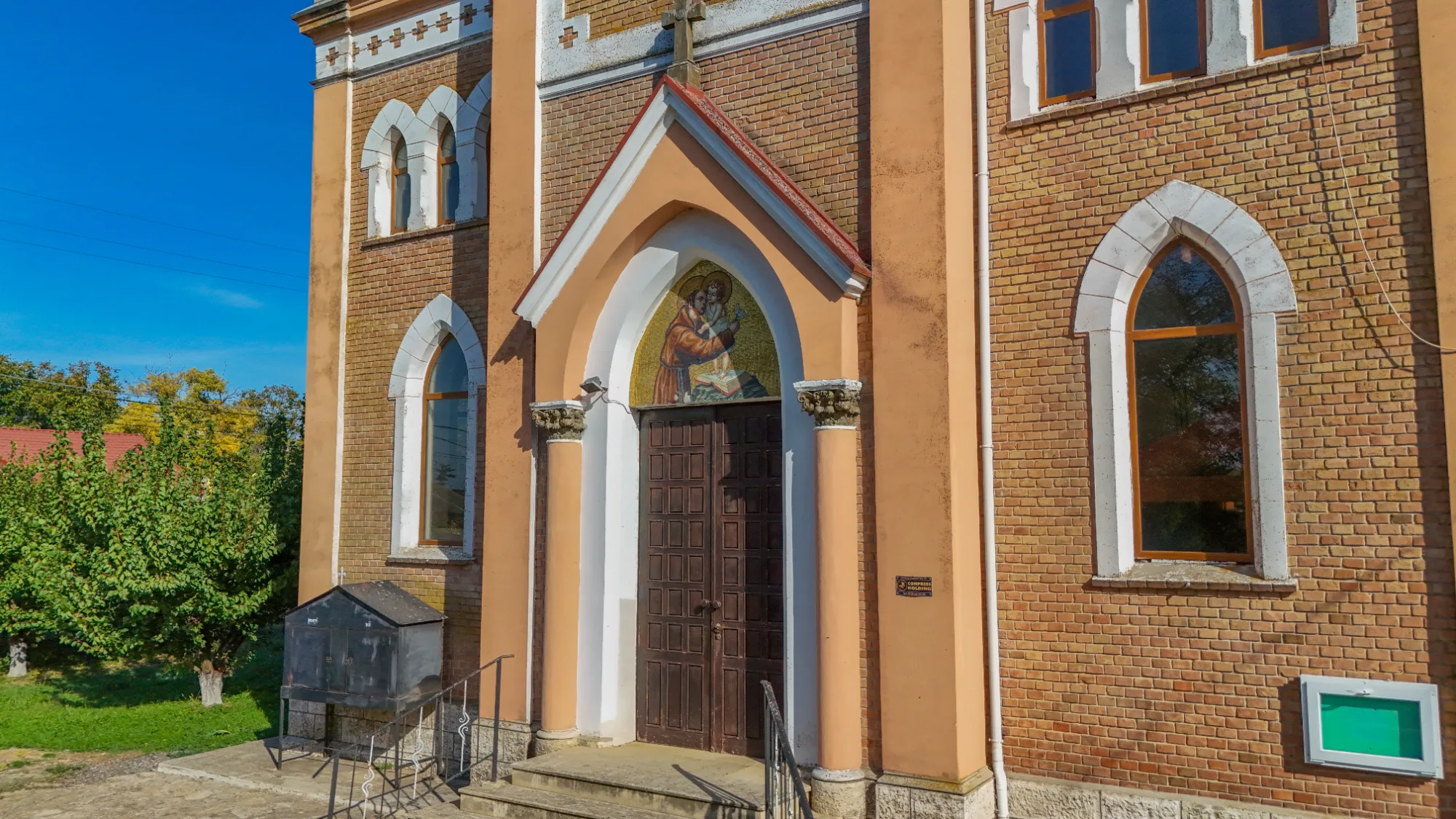
The Neo-Gothic brick entrance. Look at the door handle: the year the church was built can still be seen on it.
The Neo-Gothic brick entrance. Look at the door handle: the year the church was built can still be seen on it. · Photo: Via DobroGetica
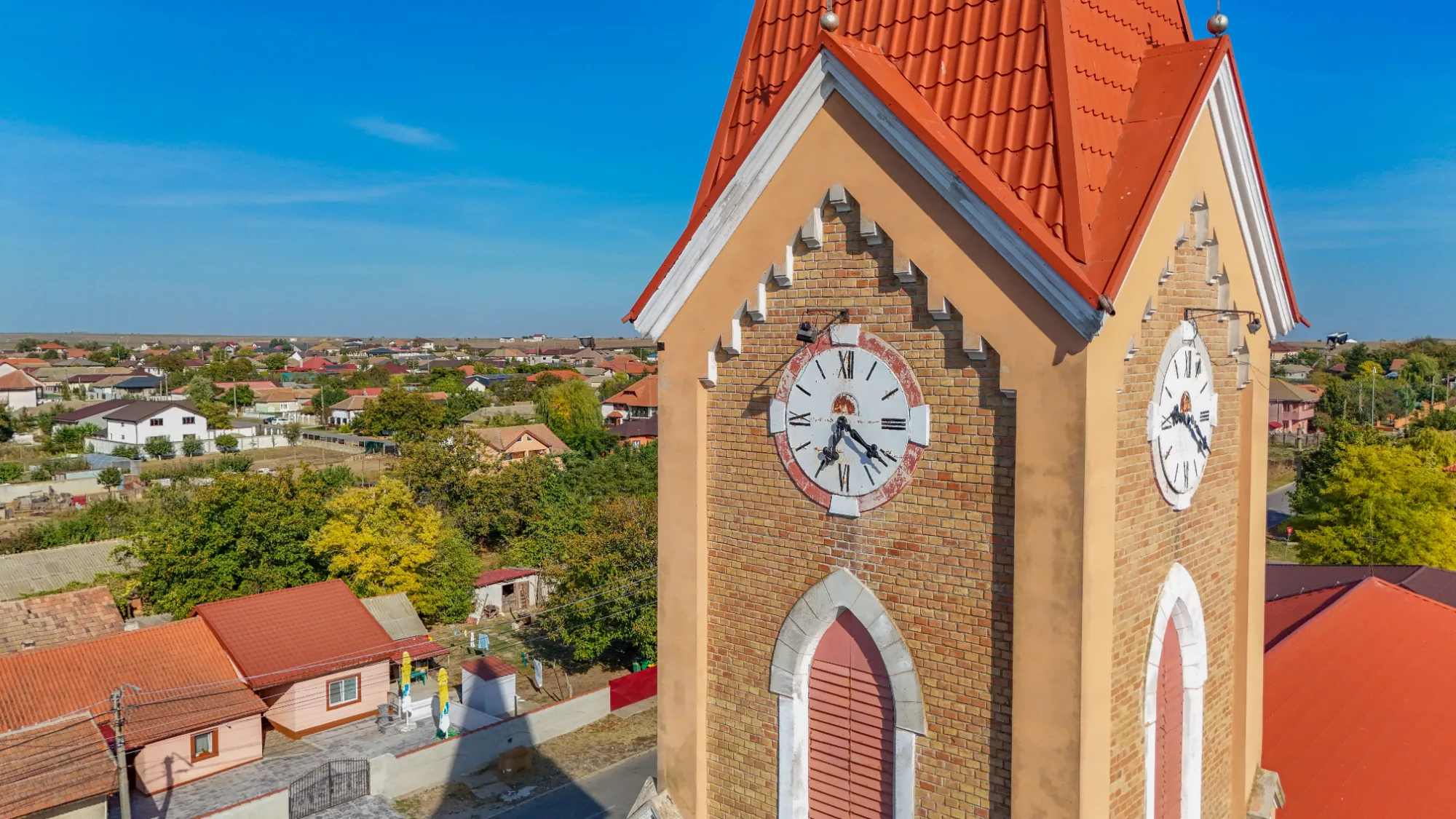
The red-brick tower with clocks on its sides recalls the village churches of Central Europe’s German lands.
The red-brick tower with clocks on its sides recalls the village churches of Central Europe’s German lands. · Photo: Via DobroGetica

Between 1897 and 1898, the German colony in Kogalniceanu built a beautiful neo-Gothic church out of red brick, which is still in use today. Inside is the ‘Way of the Cross’, created by the Tyrolean artist Ferdinand Stufflesser, whilst a marble plaque bears the names of the German heroes who fell in the First World War.

Navigate

The rest of the story is waiting in the app

Take the stamp here, at the site, and unlock in the Via DobroGetica app:

  • the full story of the place
  • the digital stamp, in your passport
Download on the App StoreGet it on Google Play

Available now · Official launch: 1 December 2026

About the app →