The Buried Church

Istria

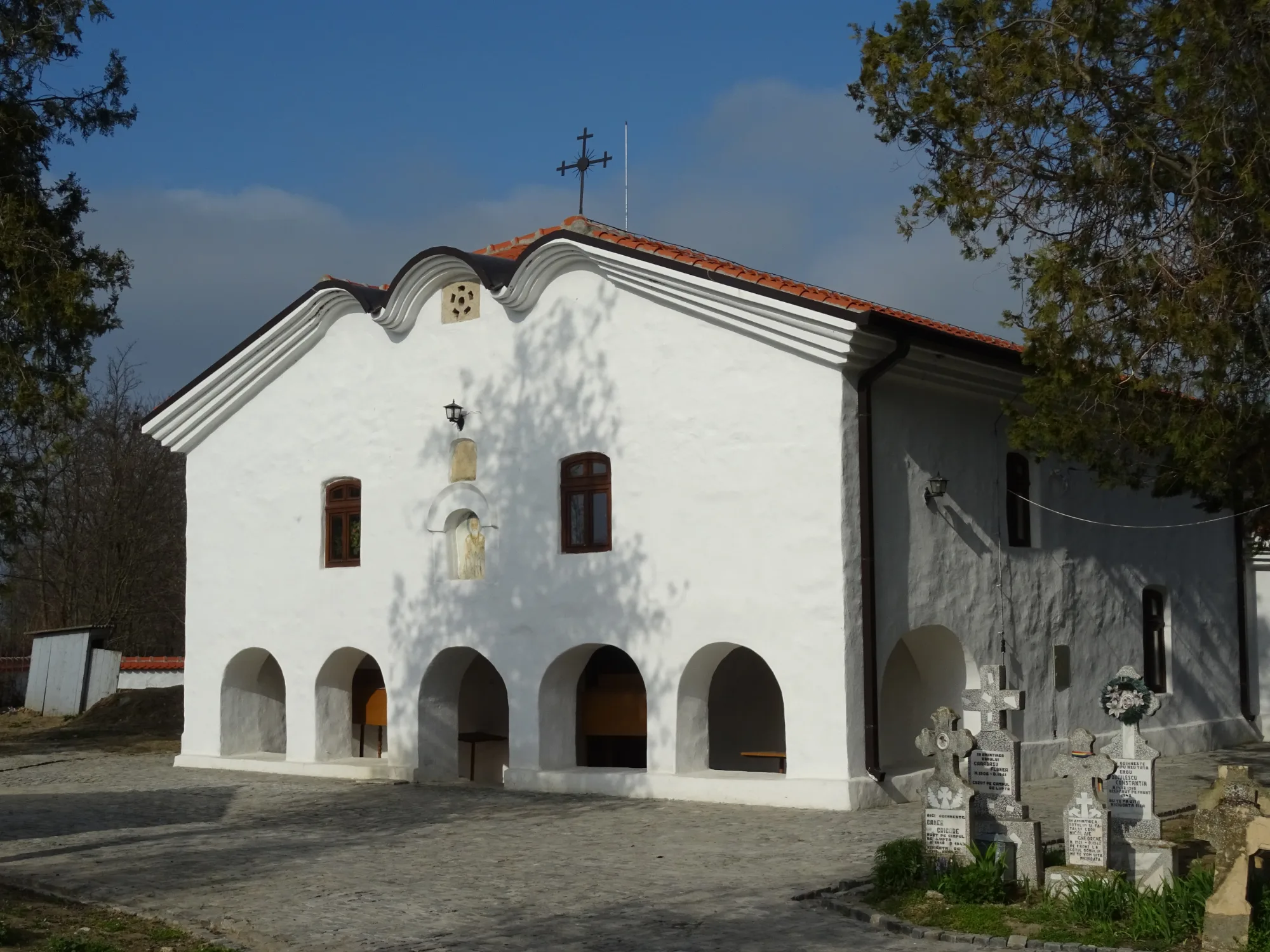
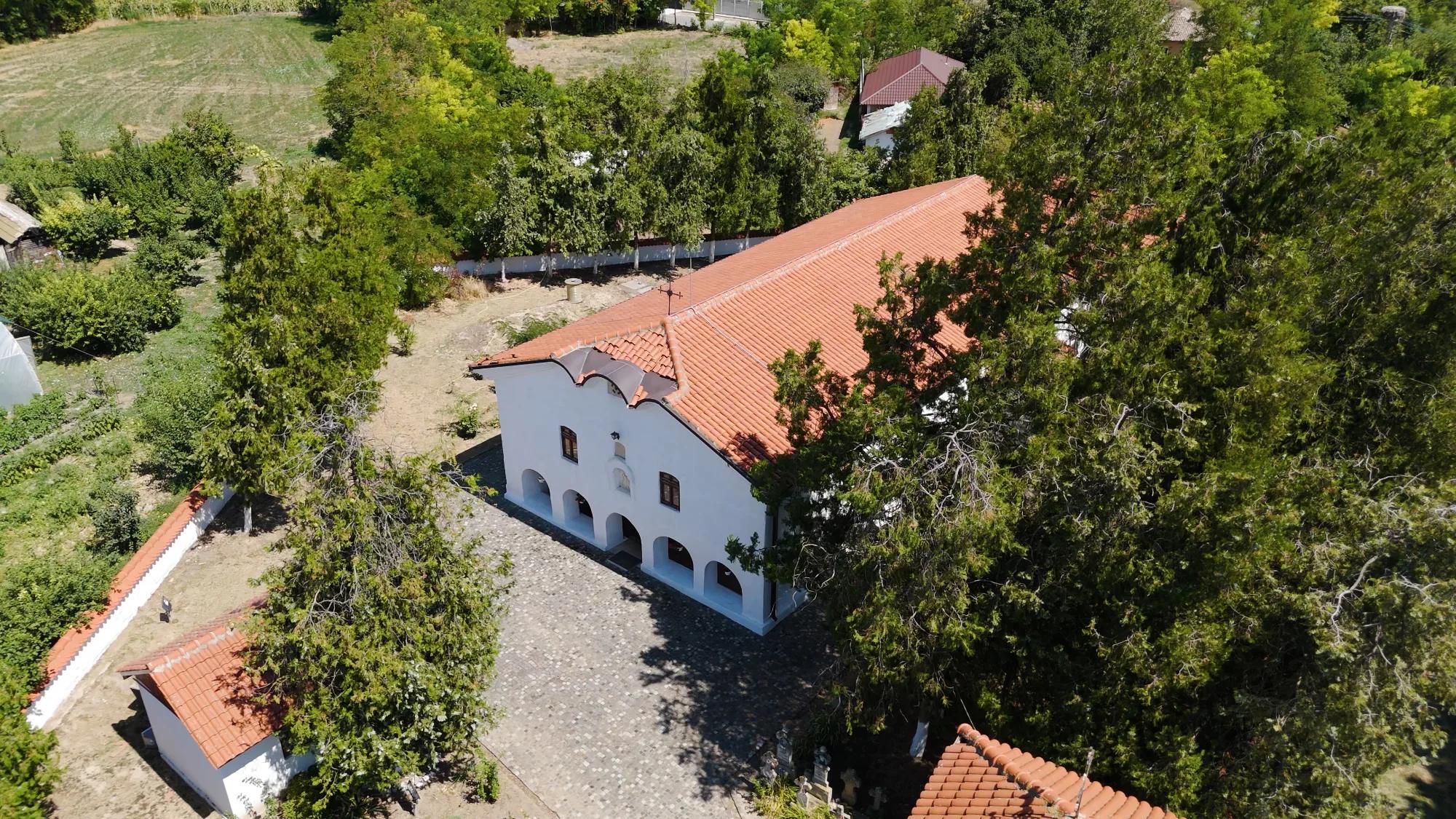
The Buried Church of Istria, built in 1857–1860 by the Bulgarian community, its floor sunk below ground to stay within the height the Ottomans allowed.
The Buried Church of Istria, built in 1857–1860 by the Bulgarian community, its floor sunk below ground to stay within the height the Ottomans allowed. · Photo: Florin Rotaru
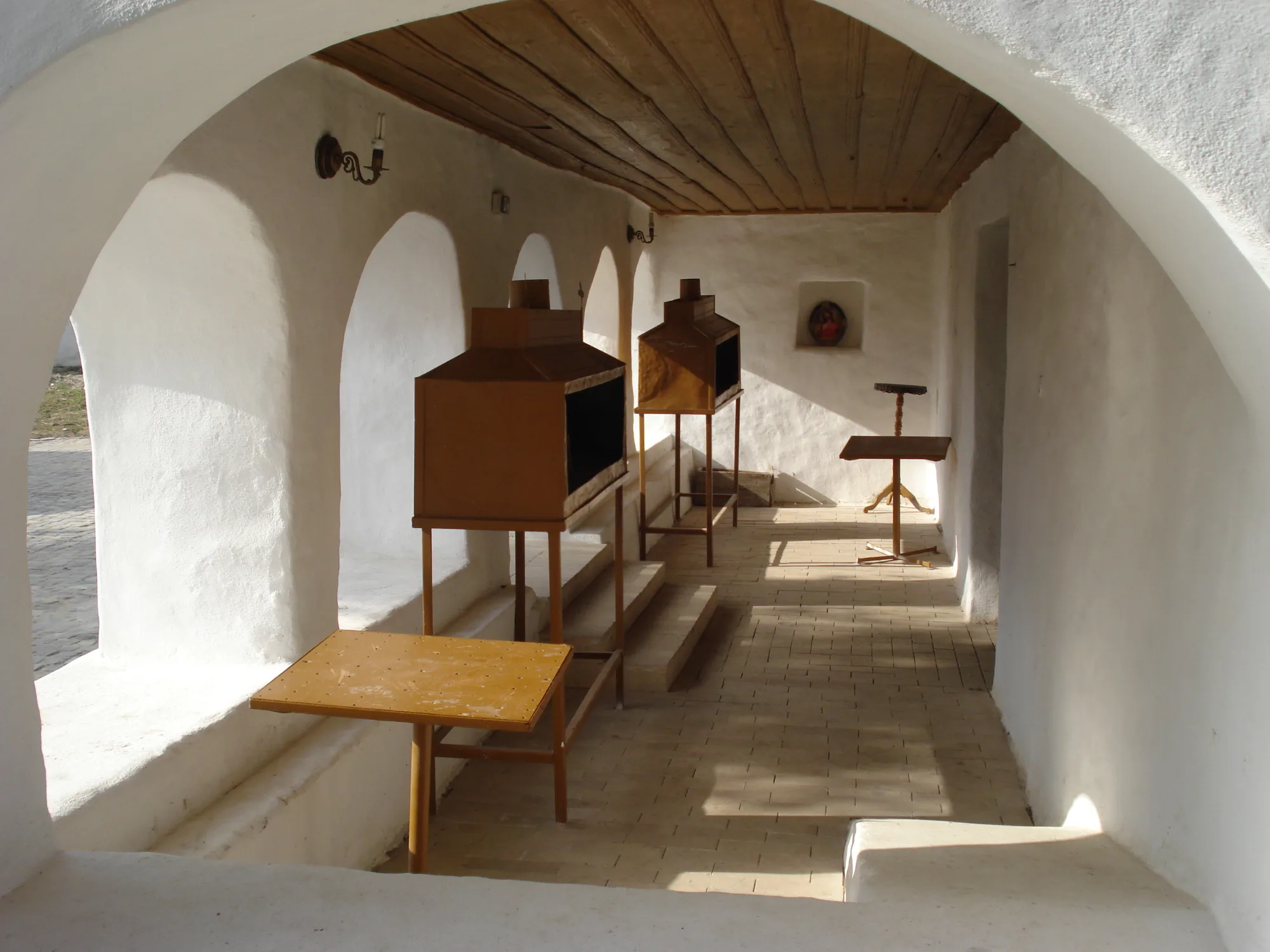
The arcaded porch opens onto the courtyard; from here you step down into the church, whose interior lies below ground level.
The arcaded porch opens onto the courtyard; from here you step down into the church, whose interior lies below ground level. · Photo: Florin Rotaru
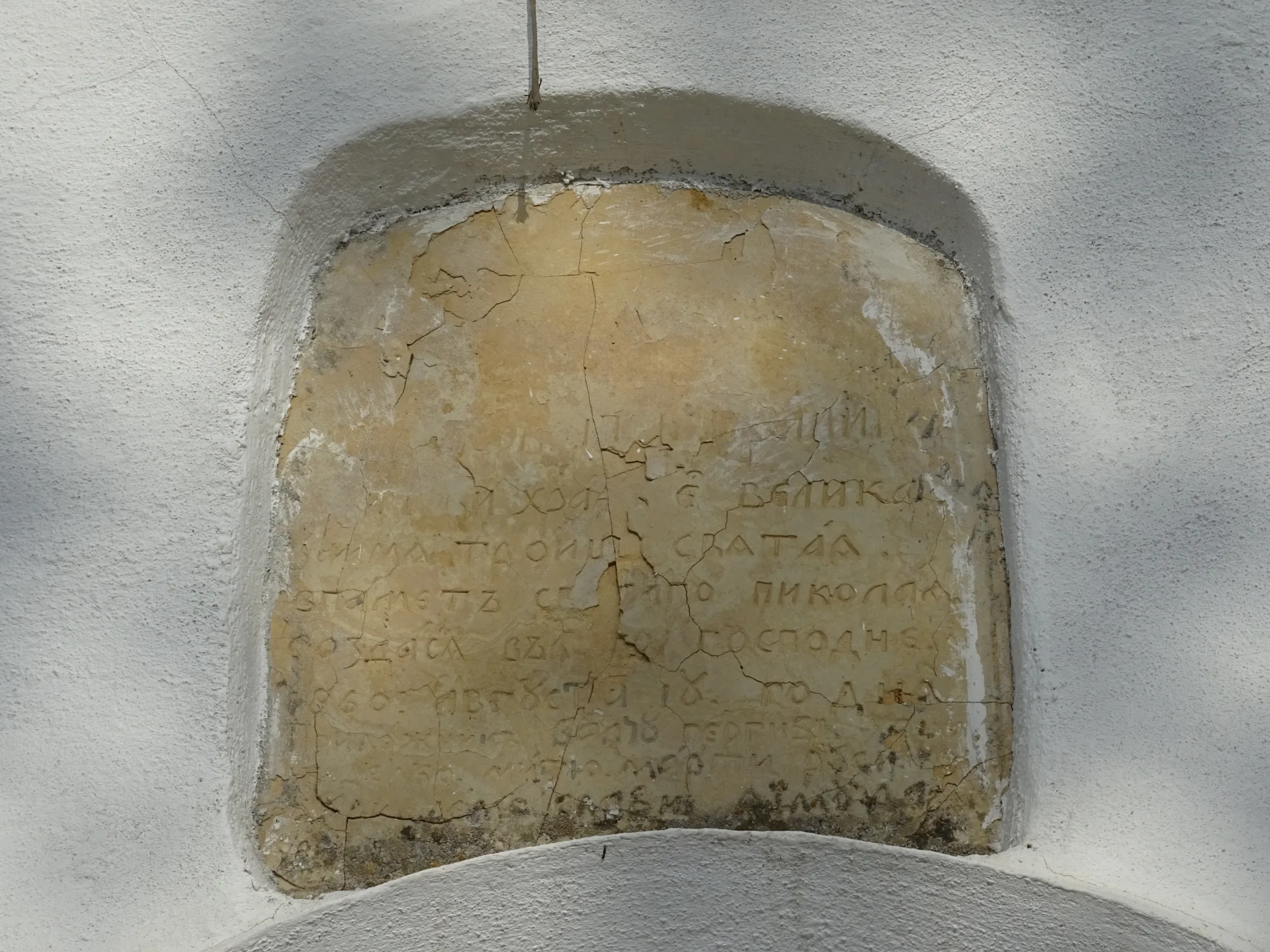
The Cyrillic inscription on the façade mentions the Holy Trinity, Saint Nicholas and the year 1860, when construction was completed.
The Cyrillic inscription on the façade mentions the Holy Trinity, Saint Nicholas and the year 1860, when construction was completed. · Photo: Florin Rotaru
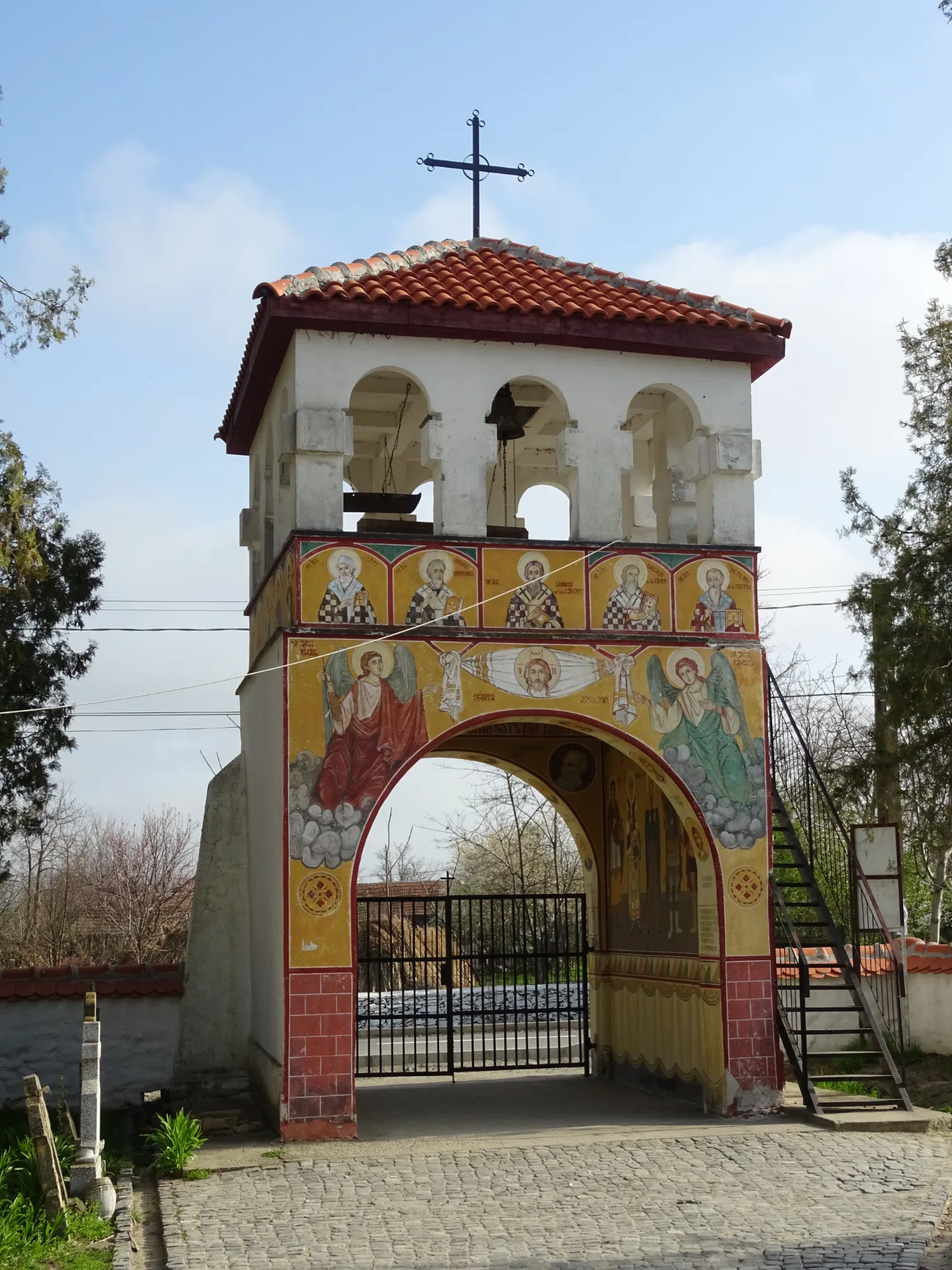
The painted courtyard gate, topped by a tower, is the entrance to the church grounds in the village of Istria.
The painted courtyard gate, topped by a tower, is the entrance to the church grounds in the village of Istria. · Photo: Florin Rotaru
The Buried Church
Photo: Via DobroGetica

The floor of the church in Istria lies almost a metre below ground level. Built between 1857 and 1860 by the Bulgarian community under Ottoman rule, the church was ‘buried’ to comply with the height restrictions imposed on Christian places of worship. Amphorae are embedded in its walls.

Navigate

The rest of the story is waiting in the app

Take the stamp here, at the site, and unlock in the Via DobroGetica app:

  • the full story of the place
  • the digital stamp, in your passport
Download on the App StoreGet it on Google Play

Available now · Official launch: 1 December 2026

About the app →