The Ali Gazi Pasha Mosque

Babadag

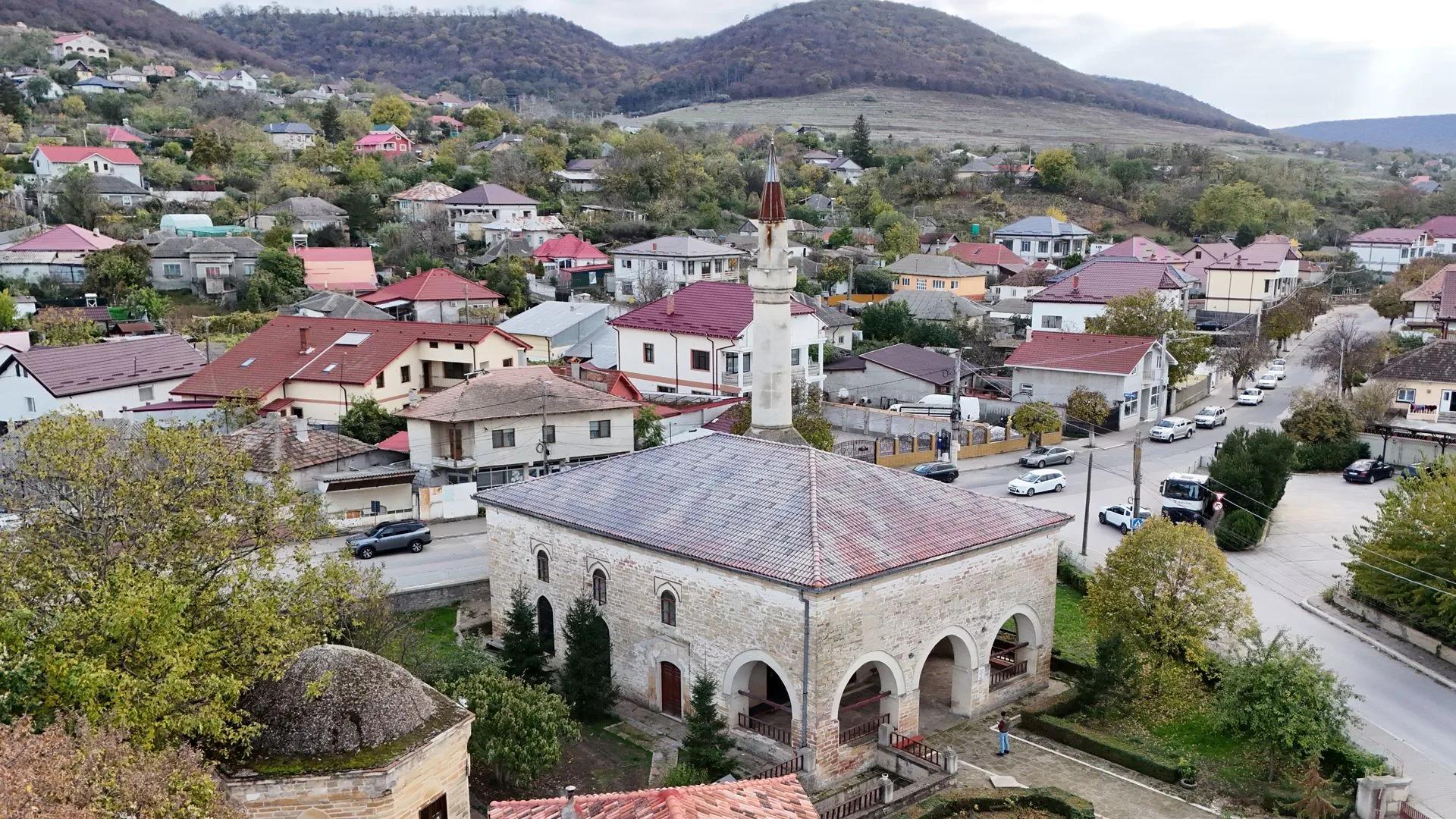
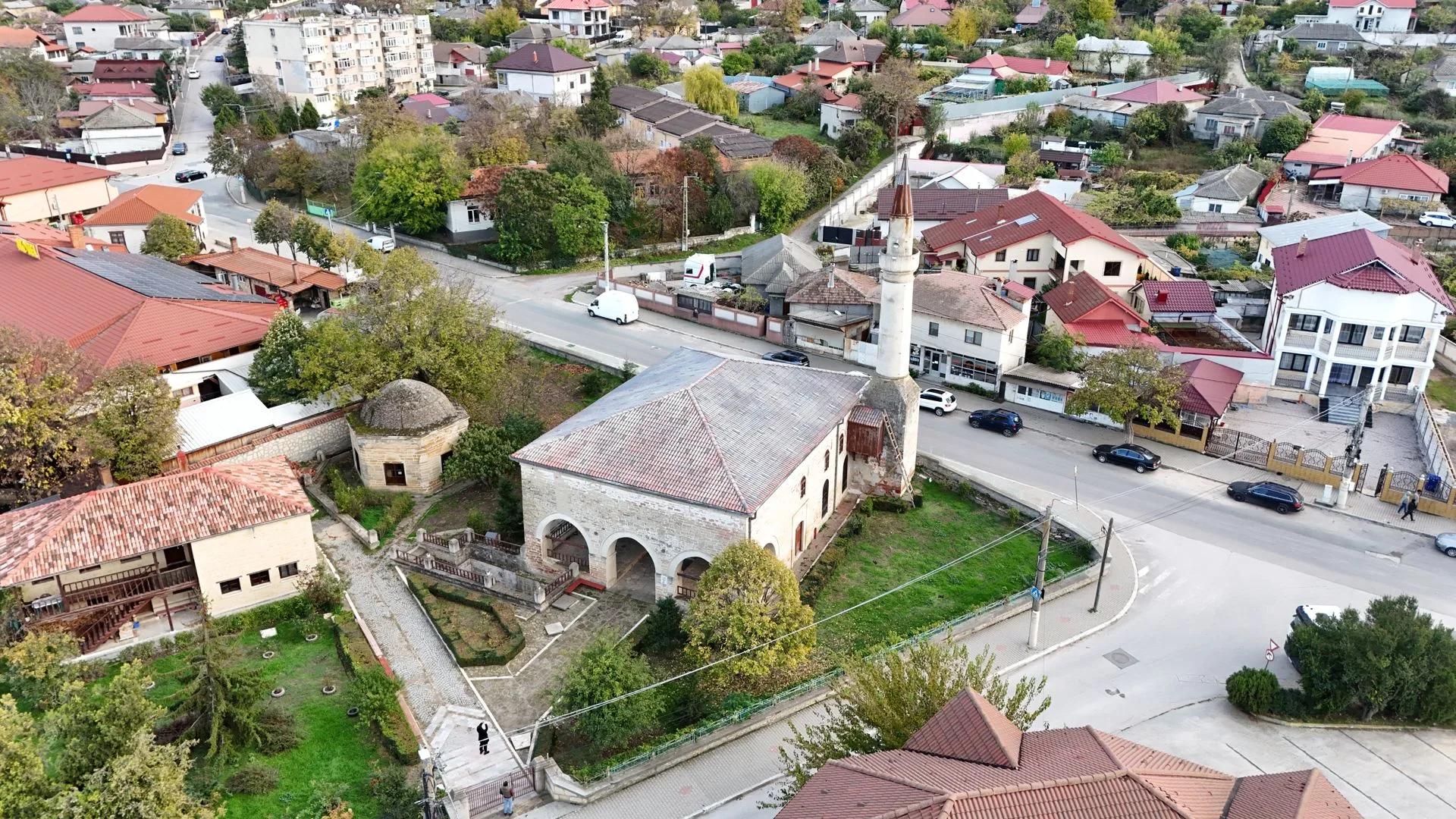
The Ali Gazi Pasha Mosque in Babadag, built in 1610, with its arcaded porch and minaret; on the left, the domed tomb, with hills behind.
The Ali Gazi Pasha Mosque in Babadag, built in 1610, with its arcaded porch and minaret; on the left, the domed tomb, with hills behind. · Photo: Via DobroGetica
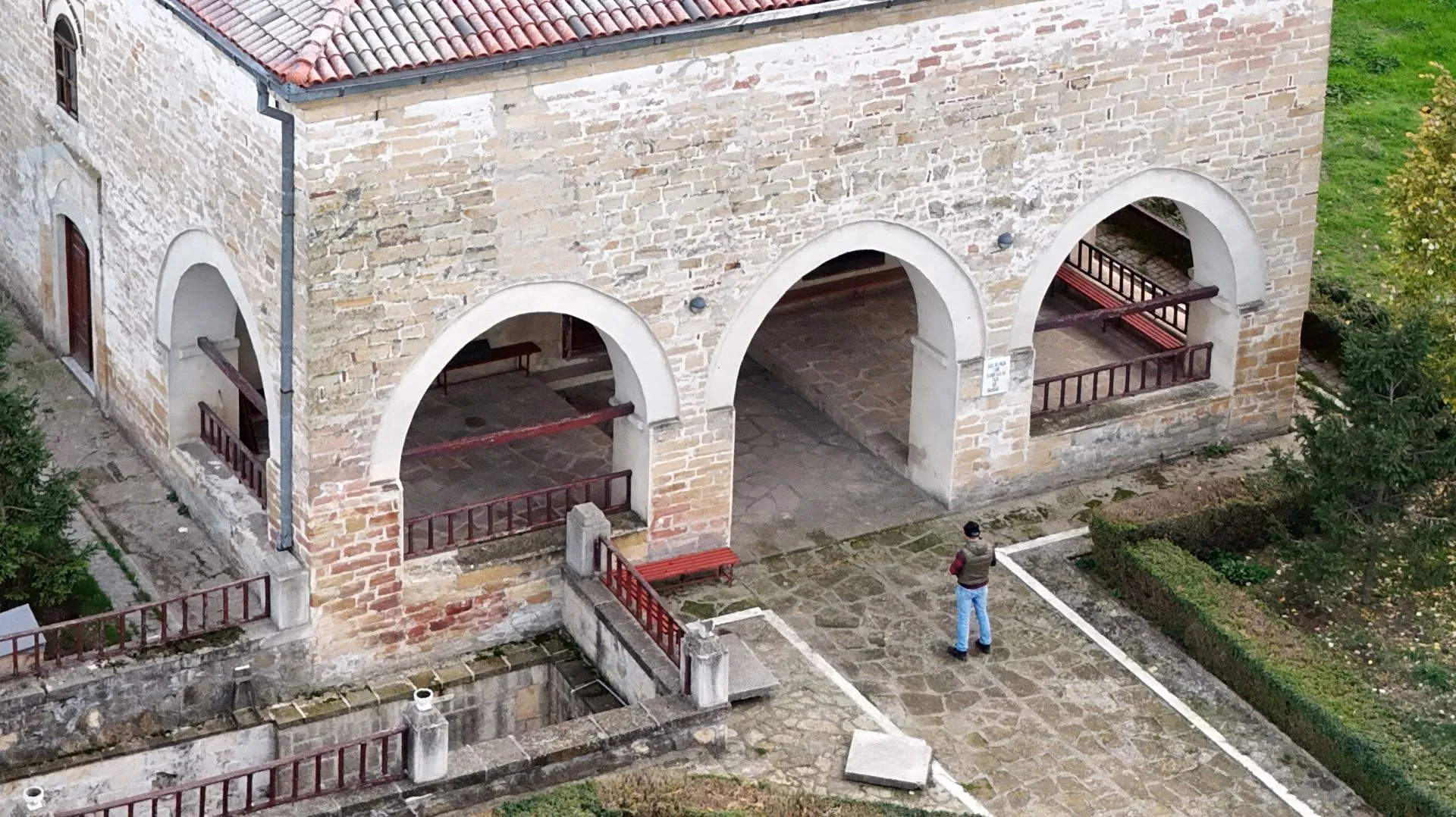
The stone porch with its arches; the plaque on the pier between them bears the mosque's name and the year 1610.
The stone porch with its arches; the plaque on the pier between them bears the mosque's name and the year 1610. · Photo: Via DobroGetica
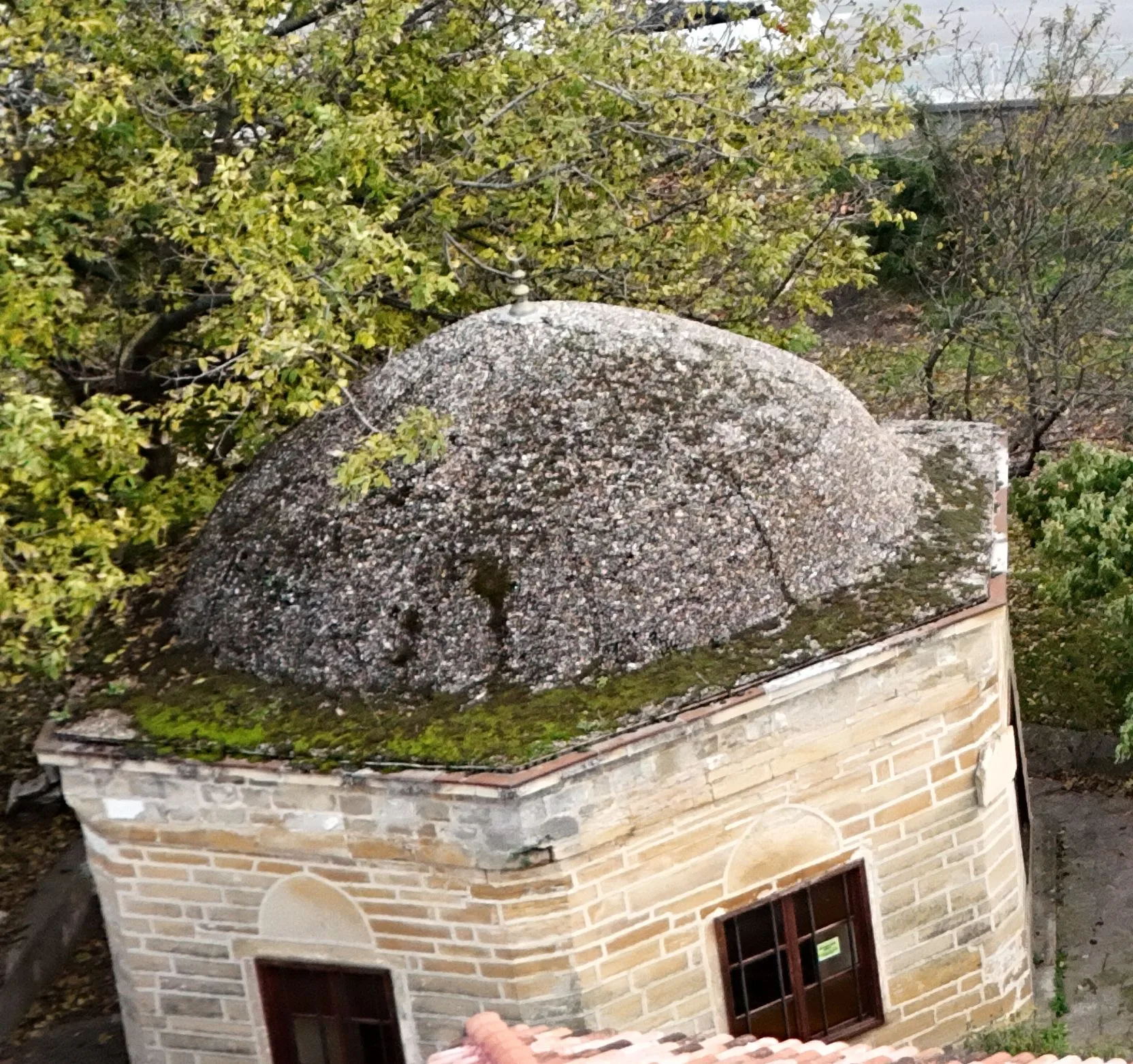
The tomb (türbe) of Ali Gazi Pasha, founder of the mosque: a stone building with a dome, in the courtyard.
The tomb (türbe) of Ali Gazi Pasha, founder of the mosque: a stone building with a dome, in the courtyard. · Photo: Via DobroGetica
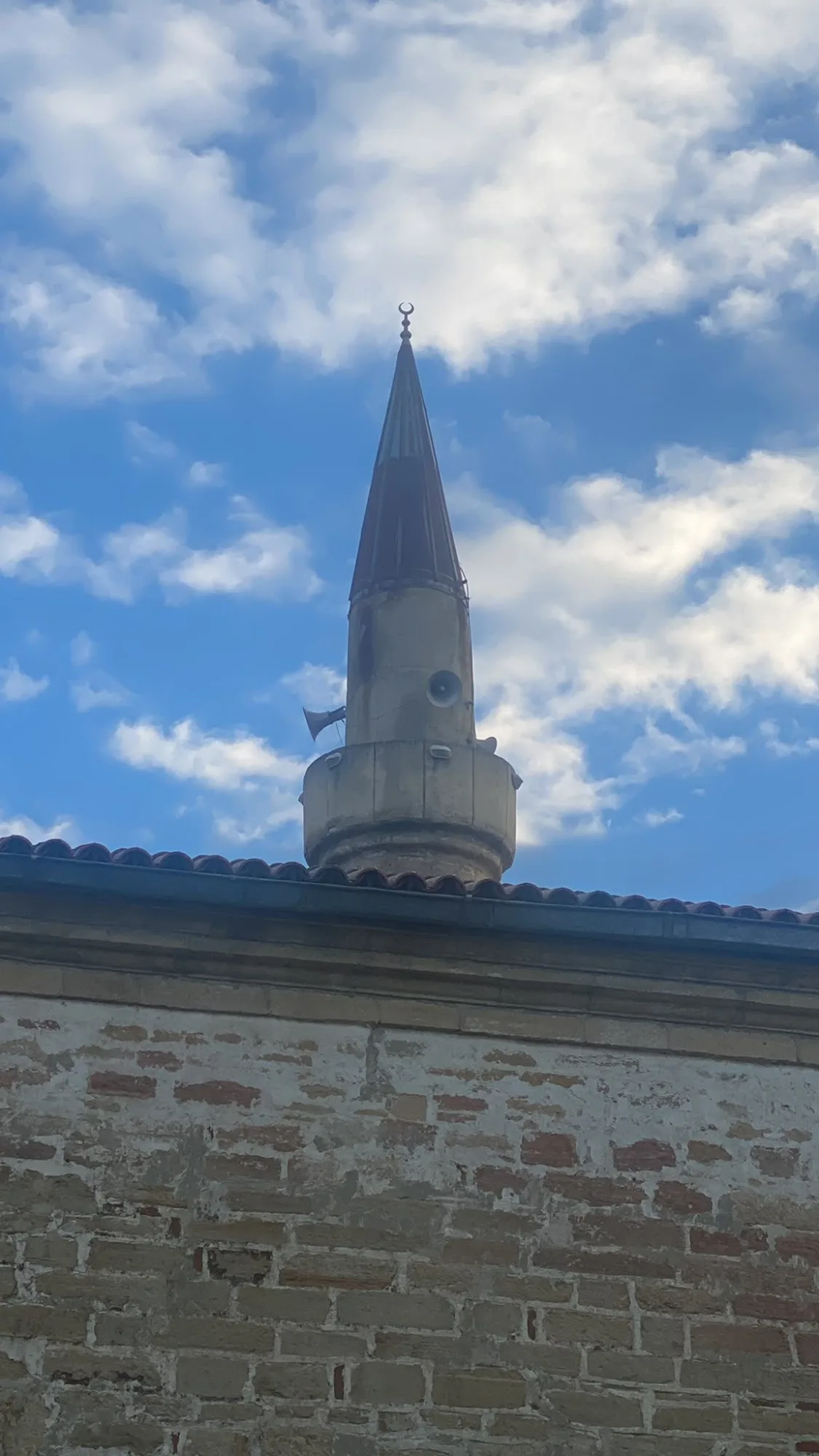
The top of the minaret, with its conical roof and crescent, above the mosque's stone and brick wall.
The top of the minaret, with its conical roof and crescent, above the mosque's stone and brick wall. · Photo: Via DobroGetica
The mosque in the old part of Babadag, at a street corner, among houses and gardens.
The mosque in the old part of Babadag, at a street corner, among houses and gardens. · Photo: Via DobroGetica

The Ali Gazi Pasha Mosque in Babadag, built in 1609–1610, is the largest surviving monument from the Ottoman era in Romania. The arcaded portico, the minaret standing over 20 metres tall and the founder’s mausoleum in the courtyard make it easily recognisable.

Navigate

The rest of the story is waiting in the app

Take the stamp here, at the site, and unlock in the Via DobroGetica app:

  • the full story of the place
  • the digital stamp, in your passport
Download on the App StoreGet it on Google Play

Available now · Official launch: 1 December 2026

About the app →